Who Are the Top Three River Cruise Companies—and What Makes Them “Top”?

River cruising is one of those travel experiences that surprises people—in the best way. After sailing on my first river cruise, I quickly realized two things:
There are far more river cruise companies than most travelers realize (many based in Europe and less visible to the U.S. market).
“Best” is not a universal label. The right river cruise line depends on what you value most: service style, cabin design, inclusions, itinerary depth, onboard atmosphere, and overall value.
When travelers ask me who the “top” river cruise brands are, three names come up consistently—because they combine strong reputations, proven consistency, and broad appeal:
Viking River Cruises (the clear leader in brand awareness)

AmaWaterways (often praised for service, dining, and active/wellness options)

Avalon Waterways (known for cabins designed around panoramic views and a relaxed onboard flow)
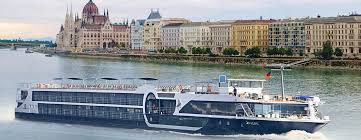
Viking may have been the first brand to achieve truly mainstream awareness in the U.S., but “first to scale” does not automatically mean “best for you.” It simply means they’re the most recognized. The real question is: Which one aligns with your travel style?
Before we break down the differences, it helps to zoom out and recognize the larger market “tiers.” On the ultra-high end, Tauck and Uniworld are often considered outstanding—though their price point can be out of range for many travelers. On the value side, Gate1 is frequently positioned as a more affordable option. In between, Viking, AmaWaterways, and Avalon tend to represent the most common “premium mainstream” short list.
The Big Picture: What Viking, AmaWaterways, and Avalon Have in Common
Even though these brands have distinct personalities, the foundational river cruise experience is remarkably consistent across all three.
1) The core “river cruise value” is similar: meals, touring, and Wi-Fi
All three lines package river cruising as an inclusive, low-friction way to travel. You can generally expect:
onboard meals, Wi-Fi, guided touring built into the itinerary, a strong focus on destination immersion rather than “ship as the main attraction”
In plain terms: you unpack once, your logistics are simplified, and your days revolve around ports and experiences—not constant decision-making.
2) Shore excursions are central—not an afterthought
Unlike many ocean cruises where shore excursions can feel optional or add-on heavy, river cruising is built around exploring the towns and cities along the river. Each of these brands emphasizes included or structured excursions as a key part of the value.
3) Beer and wine with meals is a common inclusion
While details vary by itinerary and package, it is standard for these three brands to include beer and wine with lunch and dinner, which supports the “easy, inclusive” feel river cruising is known for.
The Real Differences: What Separates These Three Brands
If the basics are similar, why do people feel so strongly about one brand over another? Because the differentiators are meaningful—and they show up every day of your trip.
1) Onboard vibe and “rules of the road” (Viking is most prescriptive)
Viking is intentionally curated. Their brand is built around a quieter, adult-oriented, destination-forward environment. Policies like adults-only, no casino, and no formal nights are not minor details—they shape the entire onboard atmosphere.
AmaWaterways and Avalon typically differentiate less through “rules” and more through features: wellness programming, stateroom engineering, excursion variety, and onboard flow. If you want the most deliberately calm and structured environment, Viking often wins that category. If you prefer a slightly more flexible “choose your own pace” feel, Ama and Avalon tend to appeal.
2) Stateroom design philosophy (Avalon is the “room-with-a-view” standout)
This is one of the easiest ways to feel the difference between brands quickly.
Avalon is famous for its Panorama Suites / Open-Air Balcony concept—wall-to-wall windows, beds positioned to face the view, and a design that prioritizes scenery. If your cabin experience is a major part of your enjoyment, Avalon is often the most visually distinctive.
AmaWaterways is well known for “twin balcony” designs on many ships (French balcony plus an outside balcony), which offers flexibility in how you enjoy fresh air and river views.
Viking emphasizes a clean, consistent Scandinavian-inspired approach and is known for a strong baseline standard across the fleet. One important “reality check” note, though: while Viking highlights no inside cabins, the lowest-category staterooms on many river ships can have smaller windows closer to river level, which changes the view experience compared to higher categories.
3) Programming emphasis: enrichment vs. wellness/active options
All three offer enriching experiences, but their center of gravity differs:
Viking leans heavily into enrichment: lectures, cultural framing, history-forward storytelling, and a strong “learn as you go” theme.
AmaWaterways tends to stand out for wellness and active options—more ways to move, more wellness positioning, and frequent appeal to travelers who want an energetic day-to-day pace.
Avalon is often positioned as balanced and guest-choice oriented, including support for active exploration (often via an Adventure Host and onboard equipment such as bikes/e-bikes, depending on the ship and itinerary).
What to Keep in Mind—No Matter Which River Cruise Line You Choose
River cruising is an incredible way to see Europe (and other regions), but it comes with a few realities that can surprise first-timers. Here are the most important expectations to set upfront:
Most lines visit many of the same destinations. If your top priority is simply “I want to see the Rhine” or “I want the Danube,” almost any reputable river cruise line can get you there. The difference is less about where and more about how.
Food is a highlight across the category.R iver ships regularly take on provisions at ports, which supports freshness and regional influences. Most travelers rate the dining experience very highly across all major brands.
You’ll usually have fewer menu choices than on an ocean ship. River ships are smaller, kitchens are smaller, and staffing is leaner. That does not mean the food is worse—in many cases it’s excellent—but you typically won’t see the same volume of restaurants and options you’d find on a large ocean vessel.
Balcony expectations should be realistic in port. In many river ports, ships dock side-by-side, sometimes three or four ships deep. That means a balcony you paid for may face another ship while docked. It’s also common to walk through another ship (or multiple ships) to get ashore when you’re not docked directly on the riverbank.
Peak season can be very busy, and overtourism is a real factor.River towns are smaller, ships carry fewer passengers—but there are many ships on popular rivers, and summer is especially crowded. Some destinations are actively trying to reduce tourism pressure, even as the river cruise market expands (with new ships and new entrants). Planning the right timing—and picking the right itinerary—matters.
So, Which One Is “Best”?
A more useful way to frame the decision is:
Choose Viking if you want a highly curated, quiet, adult-oriented experience with a strong enrichment focus and a consistent brand feel.
Choose AmaWaterways if you want strong service and dining with an emphasis on wellness and more active options.
Choose Avalon if your “must-have” is a cabin designed around the view and a relaxed, guest-choice style of cruising.


Comments